Articles

5 ways to make learning fun for children with disabilities

As parents and caregivers, we all want the best for our children, especially when it comes to their education and development. For children with disabilities, learning can sometimes present unique challenges, but it doesn’t have to be daunting. In fact, making learning fun is one of the most effective ways to engage and support these […]

As parents and caregivers, we all want the best for our children, especially when it comes to their education and development. For children with disabilities, learning can sometimes present unique challenges, but it doesn’t have to be daunting. In fact, making learning fun is one of the most effective ways to engage and support these children, helping them thrive both academically and emotionally.

When learning is enjoyable, children are more likely to be motivated, focused, and eager to participate. This not only enhances their cognitive skills but also boosts their confidence and social abilities. By incorporating fun into education, we can create a more inclusive and supportive environment that meets each child’s individual needs.

In this post, we’ll explore five practical strategies to make learning fun and engaging for children with disabilities. 

Why is fun learning for children with disabilities Important?

Fun learning is especially important for children with disabilities because it plays a key role in their overall development and success. When learning is fun, it naturally captures a child’s attention and keeps them engaged. This is crucial for children with disabilities, who may face additional challenges in focusing or staying motivated in a traditional learning environment.

By making learning enjoyable, we create a positive association with education, which can lead to better retention of information. When children are engaged and having fun, they are more likely to remember what they’ve learned and apply it in different contexts. This not only boosts their academic performance but also helps in building their confidence and self-esteem.

By using interactive and playful methods, we can address specific learning challenges, making education more accessible and effective for children with disabilities such as those receiving NDIS support care in Canberra. These methods also encourage social interaction and collaboration, which are important for developing communication skills and fostering a sense of belonging.

1. Use Interactive Learning Tools

Interactive learning tools are a fantastic way to make education more engaging and enjoyable for children with disabilities. These tools, which include educational apps, games, and online resources, are designed to capture a child’s interest while catering to their individual learning needs.

One of the key reasons interactive tools are so effective is that they offer a multisensory learning experience. For children with disabilities, engaging multiple senses—such as sight, sound, and touch—can help reinforce concepts and make learning more memorable. For example, apps that combine visual cues with auditory feedback can be particularly beneficial for children with learning disabilities or sensory processing challenges.

Educational games are another powerful tool. They turn learning into a playful activity, which can reduce the pressure often associated with traditional education methods. Games that incorporate rewards, levels, and challenges motivate children to keep playing—and learning—by making the process fun and rewarding.

Online resources also offer a wealth of interactive content that can be customised to meet the needs of each child. For instance, websites that offer adaptive learning paths can help children progress at their own pace, ensuring they grasp foundational concepts before moving on to more advanced material.

Here are a few examples of useful interactive tools:

  • ABCmouse: This app provides a comprehensive learning experience through games, puzzles, and interactive lessons tailored to different age groups and learning levels.
  • Kahoot!: An interactive quiz platform that turns learning into a fun, competitive game. It’s great for reinforcing knowledge and can be adapted to various subjects.
  • Starfall: A website offering educational games and activities focused on reading, math, and other foundational skills, particularly suited for younger children.

By incorporating these interactive learning tools, especially for those receiving NDIS support care in Canberra, parents and caregivers can make education a more engaging, personalised, and effective experience for children with disabilities.

2. Incorporate Play-Based Learning

Play-based learning is an incredibly effective way to engage children with disabilities in the learning process. By turning education into play, we can tap into a child’s natural curiosity and creativity, making learning not only fun but also deeply impactful. Activities like role-playing, building blocks, and sensory play are particularly beneficial for cognitive and social development.

Role-playing, for example, allows children to explore different scenarios and perspectives, helping them develop problem-solving skills and empathy. Whether they’re pretending to be a shopkeeper or a doctor, role-playing encourages imagination and language development while making learning an interactive experience.

Building blocks are another great tool. They help children improve their fine motor skills, spatial awareness, and understanding of basic concepts like balance and structure. Plus, building activities encourage teamwork when done in groups, fostering social interaction and communication.

Sensory play, which involves activities that stimulate the senses, is especially valuable for children with disabilities. Whether it’s playing with textured materials, water, or sound-based activities, sensory play can help children explore and process information in a way that is accessible and enjoyable for them.

Here are a few play-based learning activities we love to play with our clients who are receiving NDIS support care in Canberra. 

  • Role-playing with costumes and props: Encourages imaginative play and language skills.
  • Building blocks or LEGO: Develops motor skills and problem-solving abilities.
  • Sensory bins filled with sand, rice, or water beads: Enhances sensory processing and exploration.

3. Adapt Learning Materials

Adapting learning materials to meet the specific needs of children with disabilities is crucial for their success. 

Tailored materials can make the difference between a child understanding a concept or feeling frustrated and left behind. 

Large print books, tactile books, and audiobooks are excellent examples of how materials can be customised to suit various learning needs.

Large print books are ideal for children with visual impairments, as they make reading more accessible. Tactile books, which include textured elements or braille, provide a hands-on learning experience that can be incredibly beneficial for children with sensory needs or blindness. Audiobooks offer an alternative way to engage with literature, perfect for children who struggle with traditional reading.

Visual aids, such as charts, diagrams, and pictures, are also powerful tools. They can help children with disabilities grasp abstract concepts by providing a visual representation of the material. Manipulatives, like counting beads or shape sorters, are great for hands-on learning and can reinforce concepts in a tangible way.

4. Create a Positive Learning Environment

A positive learning environment is essential for helping children with disabilities feel supported, motivated, and ready to learn. This environment should be both physically and emotionally conducive to learning, with a focus on encouragement and positive reinforcement.

Setting up a conducive learning space involves minimising distractions and ensuring the area is comfortable and organised. Having a dedicated space for learning, with all necessary materials within easy reach, can help children focus and feel more in control of their environment.

Positive reinforcement is another key component. Celebrating small successes and providing consistent encouragement can boost a child’s confidence and motivation. Whether it’s verbal praise, a sticker chart, or a small reward, recognising a child’s efforts and achievements fosters a positive attitude toward learning.

5. Integrate Learning with Daily Activities

Learning doesn’t have to be confined to the classroom or traditional educational settings. In fact, some of the most effective learning experiences happen during everyday activities. By integrating learning into daily routines, children with disabilities can connect what they learn to real-world situations, making education more relevant and enjoyable.

Cooking is a fantastic example. It’s a practical activity that can teach children math (through measuring ingredients), science (through observing changes in food as it cooks), and even reading (by following a recipe). Shopping is another everyday task that offers educational opportunities and one our support workers here at Wattle Blue love o do with our clients as it includes practicing math skills by counting money or making a shopping list.

Outdoor activities like gardening or nature walks can also be educational. They provide opportunities to learn about plants, animals, and the environment while promoting physical activity and sensory exploration.

Making learning fun is not just a strategy—it’s a necessity for helping children with disabilities reach their full potential. When education is enjoyable, it naturally enhances a child’s engagement, retention, and overall academic performance.

The five strategies we discussed—using interactive learning tools, incorporating play-based learning, adapting learning materials, creating a positive learning environment, and integrating learning with daily activities—are all designed to cater to the unique needs of children with disabilities. 

These methods not only make learning more effective but also help build confidence, foster social skills, and create a more inclusive and supportive learning experience.

As parents and caregivers, your role in implementing these strategies is crucial. By making learning fun, you’re not just teaching your child—you’re helping them thrive. Whether your child is receiving NDIS support care in Canberra or elsewhere, these approaches can be tailored to suit their individual needs and make a meaningful impact on their educational journey

Interested in becoming an NDIS support worker in Canberra? Learn more about Wattle Blue now

Meet some of the amazing clients we support

At Wattle Blue, we consider it a privilege to work with incredible children and teens in Canberra. Each day, we are inspired by their unique strengths and vibrant personalities, and we are dedicated to providing care that is not only supportive but also filled with enthusiasm and fun.  The main mission of each of our […]

At Wattle Blue, we consider it a privilege to work with incredible children and teens in Canberra.

Each day, we are inspired by their unique strengths and vibrant personalities, and we are dedicated to providing care that is not only supportive but also filled with enthusiasm and fun. 

The main mission of each of our NDIS support workers in Canberra is to provide fun, engaging, and enriching experiences that help young people reach their fullest potential. 

We believe every child and teen deserves a space where they feel empowered, celebrated, and truly understood. Through personalised support, we are committed to making a significant and positive impact in their lives.

In this blog, we will be highlighting some of our amazing clients that we are fortunate to support through our NDIS support services here in Canberra. 

Meet our amazing clients!

Meet Mr. C!

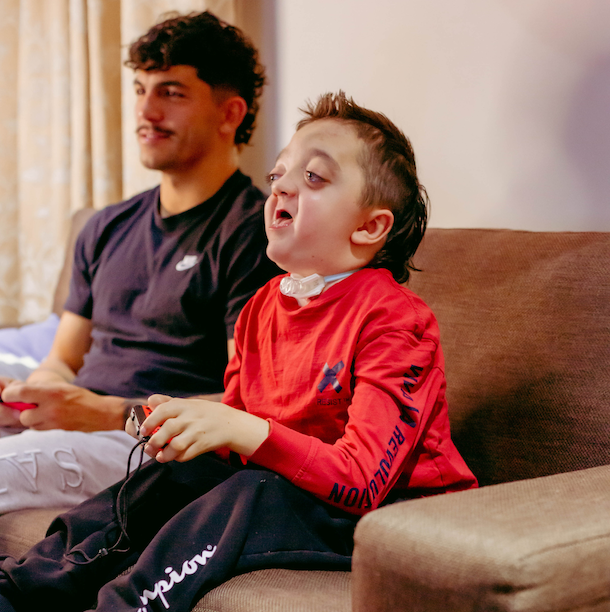
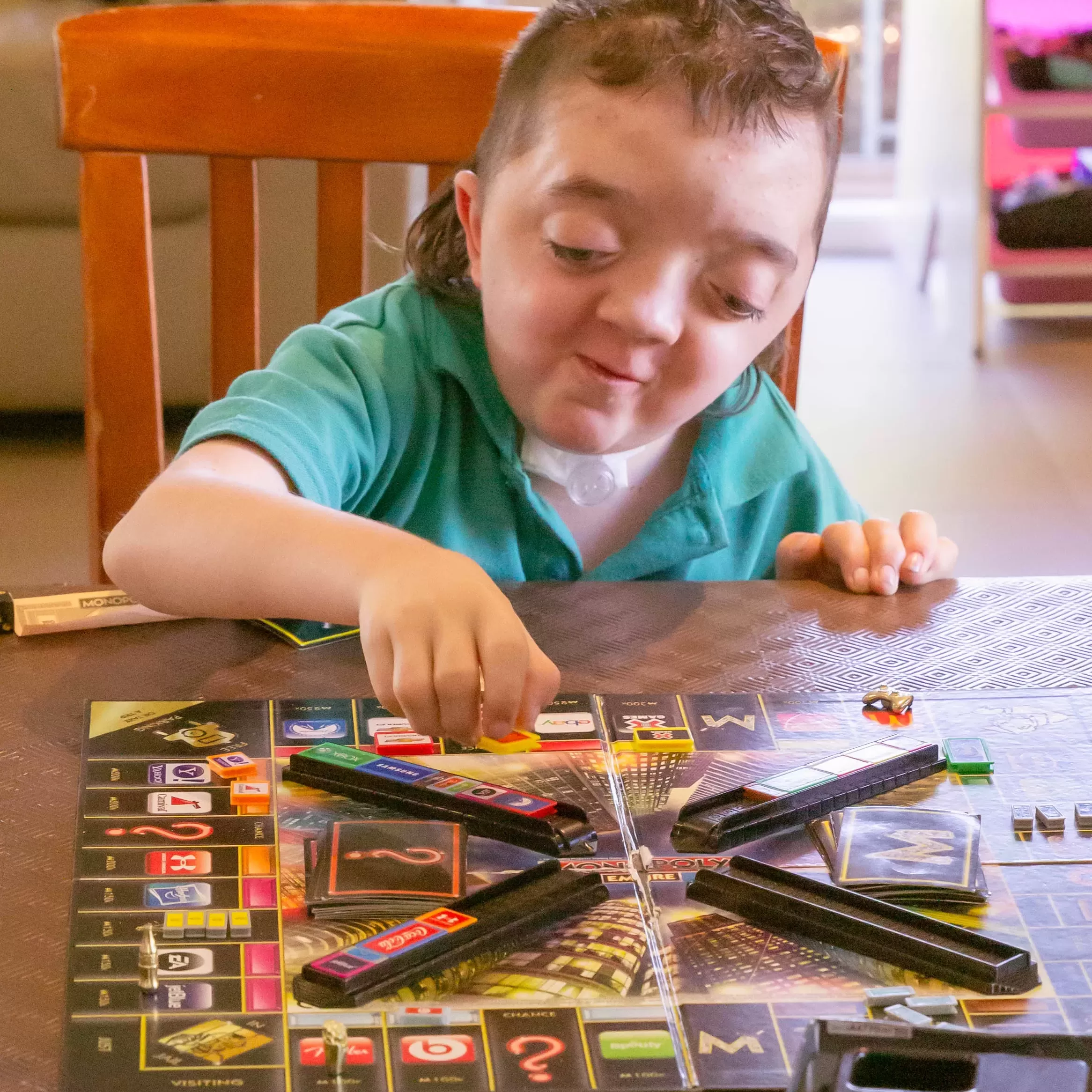
Our client Mr C loves playing on his iPad and engaging in the game Monopoly with friends. He receives dedicated NDIS support to ensure he can enjoy these activities to the fullest. 

Our team assists Mr C with his morning routine, helping him get ready for the day with ease and comfort. Additionally, we provide hand squeezes and exercises to maintain his physical well-being, ensuring he can continue to enjoy their favourite hobbies.

“Wattle Blue has been providing support for my 8 year old son Cooper since 2021. Through Wattle Blue we now have an AMAZING team of supports to meet all of Cooper’s medical and disability needs (which we have had difficulty sourcing ourselves). From disability support workers, to medical and nursing students to football players and students on gap years – we have a team of and enthusiastic, professional, caring and fun workers who go above and beyond in not only providing support for Cooper but also providing informal support to our family. Wattle Blue have supported us through covid lockdowns and life changing surgeries requiring medical training by all staff. They listen to our needs and give us choice in our care arrangements. From personal care to peg feeding and tracheostomy management, from helping with therapies to after school activities and gaming – all our needs are covered.While Wattle Blue Director, Jack, no longer provides direct daily care for Cooper we love that he always makes the time to check in, provide back up support when it’s needed and even just pops in from time to time to hang out and do some gaming with Cooper. Thanks Wattle Blue. Highly recommended.” – Mellisa. H
Meet Mr J!

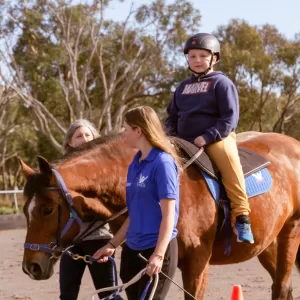
Whether he’s jumping into the pool or enjoying the freedom of horseback riding at Pegasus, Mr. J embraces every adventure. He loves the thrill of playing on swings and is always eager to explore the wonders of Questacon.

At Wattle Blue, we’re dedicated to ensuring Mr. J has the best experiences possible. We provide tailored NDIS support to help him dive into his favourite activities with our goal to make every moment memorable and fulfilling for Mr. J, supporting his interests and hobbies with the care and attention he deserves.


Interested in becoming an NDIS support worker in Canberra? Fill out an application for now. 


Meet Miss A!

Miss A engages in daily routines like packing lunches and tidying up toys with the help of our NDIS support workers in Canberra.

She particularly enjoys spending time reading, a favourite activity she shares with her support worker.


At Wattle Blue we ensure that Miss A receives personalised assistance through our NDIS support services here in Canberra that are tailored to her needs. This support enables her to navigate daily tasks independently while helping her thrive. We are dedicated to enhancing her daily experiences and supporting her in pursuing her interests with enthusiasm and fun!

Meet Miss K!

Introducing Miss K, a valued member of our community. When she isn’t bowling, Miss K enjoys swimming, having picnics, and walking through the Botanical Gardens around Lake Burley Griffin.

Here at Wattle Blue, we provide the assistance Miss K needs to participate in these activities, ensuring she enjoys her interests and makes the most of every day.

Becoming a NDIS support worker in Canberra is a rewarding opportunity to make a meaningful impact in the lives of our clients. We seek individuals who are compassionate, patient, and dedicated to providing excellent care. Our ideal support workers demonstrate genuine empathy, effective communication skills, reliability, a positive attitude, and adaptability to various situations and needs. If you possess these qualities and are passionate about supporting our amazing clients like those who we have mentioned in this blog, we invite you to join our team. 

By becoming an NDIS  support worker in Canberra, you can help our clients enjoy their favourite activities and lead fulfilling lives. Ready to take the next step? Learn more about becoming a support worker and join us in making a difference now. 


How before and after school care can make a difference

Before and after school support plays a critical role in the lives of children with disabilities and their families. Navigating the demands of daily routines can be particularly challenging for these families, especially during the pivotal hours before school starts and after it ends. Parents often balance work commitments, transportation logistics, and ensuring their child’s […]

Before and after school support plays a critical role in the lives of children with disabilities and their families. Navigating the demands of daily routines can be particularly challenging for these families, especially during the pivotal hours before school starts and after it ends.

Parents often balance work commitments, transportation logistics, and ensuring their child’s safety and well-being during these times. Quality disability support services can alleviate these challenges by providing structured, reliable care, enabling children to thrive in a supportive environment while offering parents the peace of mind they need.

What is Before and After School Care, and Why Does it Matter?

Before and after school care refers to the specialised support services provided to children with disabilities during the critical hours before school begins and after it ends. These programs are designed to offer a structured, safe, and nurturing environment where children can engage in various activities, receive personalised assistance, and build social skills.

For many families, the time before and after school is one of the most stressful parts of the day. Parents are often juggling work commitments, household responsibilities, and the unique needs of their children. This can be particularly challenging for families with children who have disabilities, as they may require additional care and attention.

Before and after school care provides a consistent routine, which is crucial for children with disabilities. It helps reduce anxiety by offering predictability and stability. Additionally,

these disability support services help the child’s development through tailored activities that promote learning, social interaction, and physical well-being. For parents, these services offer peace of mind, knowing their child is in a supportive and engaging environment.

In essence, before and after school care plays a vital role in easing the daily pressures on families, ensuring that children with disabilities receive the support they need to thrive during these key transitional times.

How to Implement Disability Support Before and After School

Implementing effective before and after school disability support involves several key steps. Each step is crucial to creating a structured, safe, and supportive environment for children with disabilities. 

Setting Up Routines

A structured routine is essential for children with disabilities. Regular schedules for arrival, activities, meals, and departure help create a sense of security and stability. Consistency in daily routines reduces anxiety and helps children know what to expect, making transitions smoother.

Providing Assistance with Tasks

Many children with disabilities require help with daily tasks such as dressing, eating, or completing homework. By providing tailored support, before and after school care can address each child’s unique needs. This assistance promotes independence, boosts self-confidence, and encourages skill development.

Ensuring Safety Measures

Safety is paramount in before and after school care programs and all the disability support services we offer here in Canberra. Creating a safe environment and ensuring all activities are suitable for the children’s abilities and needs allows children to explore and engage without unnecessary risks.

Creating a Supportive Environment

A supportive environment is key to the well-being of children with disabilities. Staff trained to be sensitive and responsive to their needs can promote inclusion and acceptance. Encouraging positive interactions among peers and providing emotional support helps build a nurturing community where children feel valued and understood.

Overall, before and after school disability support provides invaluable benefits for children with disabilities and their families. This disability support service offers structured routines, personalised assistance, and a safe environment, significantly improving the quality of life for both the children and their parents. 

Are you passionate about making a positive impact? Visit our careers page to learn more about becoming a before and after school support worker. Or if you’re interested in disability support services in Canberra for a loved one, view our services page now.

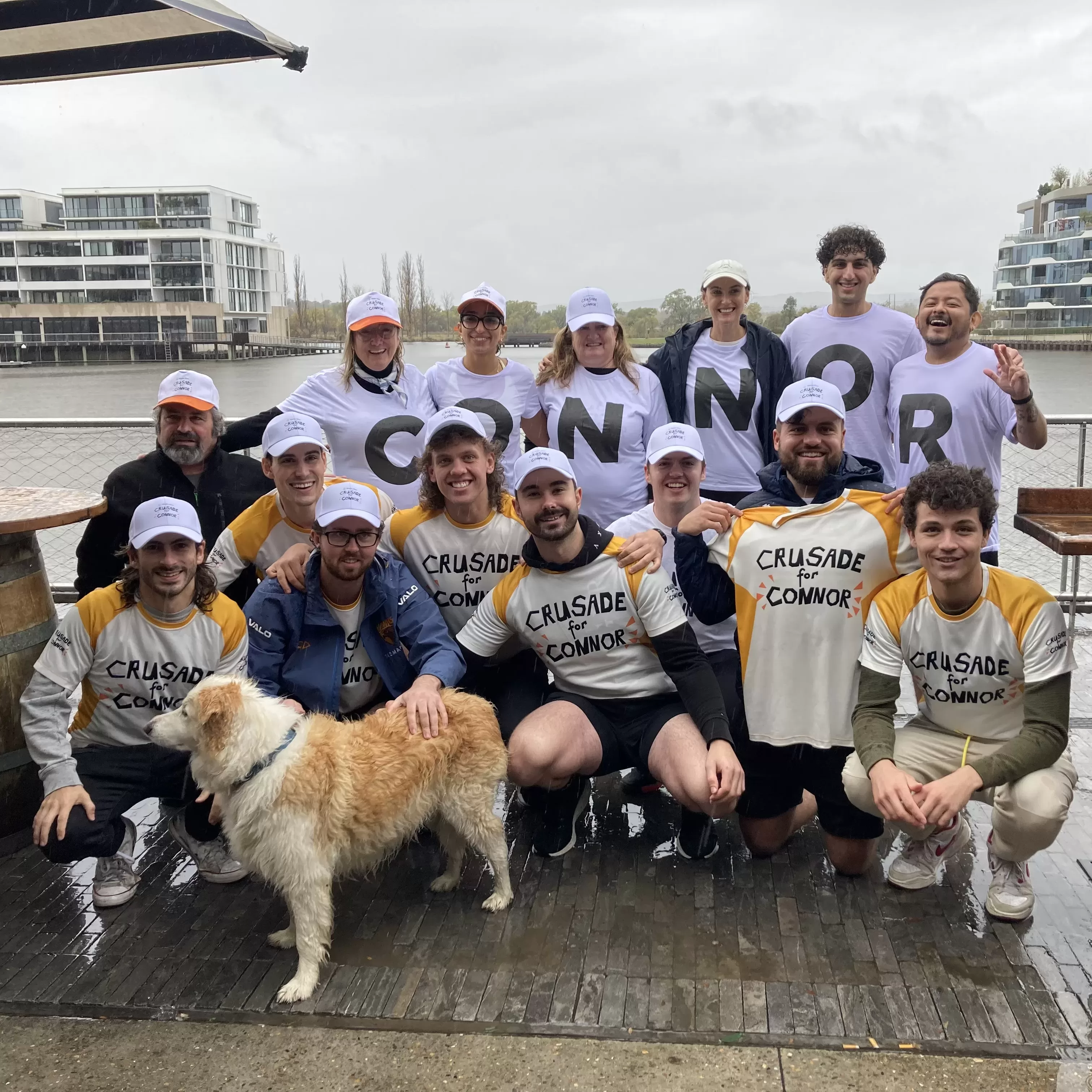
Coming together to support the Crusade for Connor

In early 2023, Finley, a former Wattle Blue worker, sent a heartfelt message to his friend and our founder Jack. Finley revealed a tragic loss that deeply affected our community, his close friend, Connor. In Connor’s memory, he and his mates initiated the “Crusade for Connor” — a series of mentally challenging endeavours aimed at […]

In early 2023, Finley, a former Wattle Blue worker, sent a heartfelt message to his friend and our founder Jack. Finley revealed a tragic loss that deeply affected our community, his close friend, Connor. In Connor’s memory, he and his mates initiated the “Crusade for Connor” — a series of mentally challenging endeavours aimed at raising funds for NeuRA research. The moment we learned about this inspiring cause, we knew it was a mission that resonated profoundly with the values at Wattle Blue.

Finley, who had been a dedicated member of the Wattle Blue team for just under three years, left an indelible mark on our organisation. His unwavering commitment to supporting numerous children in our community was a testament to his compassionate spirit. Joining the Crusade for Connor not only allowed us to honour Finley’s incredible contributions but also aligned perfectly with our mission to foster resilience and support within our community.

The 2024 Crusade for Connor was a remarkable event that saw an impressive turnout of over 220 attendees, including esteemed researchers from NeuRA, the organisation benefiting from the proceeds. The gathering was not only a testament to the community’s support but also an emotional tribute to Connor’s memory.

Highlights of the day included touching speeches from Connor’s mother, Carolyn, and Cyndi Weickert, the head schizophrenia researcher from NeuRA. Their heartfelt words resonated deeply with everyone present, underscoring the importance of the cause and the impact of the community’s efforts.

This year’s Crusade was incredibly successful, raising $16,000 to add to the $68,000 raised the previous year. This impressive total will contribute to NeuRA’s critical research initiatives.

The event also provided a wonderful opportunity for the community to come together, engage with one another, and offer mutual support. After participants completed the 5KM walk or 10KM run, the boys put on a barbecue, allowing everyone to relax and enjoy a meal together. It was a day filled with camaraderie, reflection, and collective determination to support a cause that means so much to all of us.

If you’re interested in learning more about this great cause follow along via Facebook to keep updated on upcoming news.

If this story has brought up any concerns for you, support is available. Reach out to Lifeline at 13 11 14 or visit their website, or contact Beyond Blue at 1300 22 4636. In case of an emergency, dial 000.

How to overcome burnout when looking after children or teens with disabilities

As a disability support service in Canberra we know caring for children or teenagers with disabilities is incredibly rewarding, but it also presents unique challenges that can lead to burnout among caregivers. Burnout is an issue that affects both the well-being of the caregiver and the quality of care provided to the individual with disabilities. […]

As a disability support service in Canberra we know caring for children or teenagers with disabilities is incredibly rewarding, but it also presents unique challenges that can lead to burnout among caregivers.

Burnout is an issue that affects both the well-being of the caregiver and the quality of care provided to the individual with disabilities.

Recognising and addressing burnout among caregivers of children or teens with disabilities is crucial for ensuring the health and stability of both parties.

What is Burnout, and why does it matter?

Burnout is like hitting a wall of emotional, physical, and mental exhaustion after prolonged stress and overwork.

It often comes with feelings of cynicism, detachment from work or caregiving responsibilities, and a sense of reduced accomplishment.

For caregivers, burnout is a major concern because they are often providing vital support while neglecting their own needs. Caring for someone with a disability can at times be emotionally challenging. The responsibilities can become overwhelming, leaving little time for rest or self-care.

This can have serious consequences for both the caregiver and the person receiving care, affecting physical health, mental well-being, and relationships.

Burnout can lead to fatigue, sleep problems, anxiety, depression, strained relationships, and reduced quality of care, ultimately increasing the risk of neglect or accidents.

Therefore it is important to take steps to ensure burnout is minimised.

How to overcome burnout when caring for children or teens with disabilities

Prioritise Self-Care

For carers, It’s essential to schedule regular breaks and engage in enjoyable activities.
Caregiving can be demanding, and neglecting your own needs can quickly lead to burnout.

Whether it’s taking a short walk, reading a book, or practising a hobby you love, carving out time for yourself is crucial for maintaining your physical, emotional, and mental well-being.

Remember, you can’t pour from an empty cup, so prioritise self-care to ensure you have the energy and resilience to continue providing quality care.

Set Realistic Expectations

Caregivers frequently face the overwhelming pressure to meet unrealistic standards, often feeling like they must execute every task flawlessly. This self-imposed expectation can lead to burnout and feelings of inadequacy.

It’s crucial for caregivers to acknowledge that perfection is unattainable and instead focus on breaking tasks into manageable steps. By setting realistic expectations, they can alleviate some of the stress associated with caregiving.

It’s important to celebrate progress along the way, recognising that every small step forward is a victory worth acknowledging. This mindset shift allows caregivers to feel more accomplished and empowered, even amidst challenges.

Ultimately, embracing imperfection and setting achievable goals not only reduces stress but also builds a healthier and more sustainable caregiving experience.

Seek Support

Caregiving can feel isolating, but you’re not alone. Connecting with other caregivers, joining support groups, or considering therapy can provide valuable emotional support and validation.

Sharing experiences with others who understand can be incredibly comforting and empowering.

Additionally, communicating with disability support services in Canberra, such as Wattle Blue, can provide access to additional resources, guidance, and specialised support that can alleviate some of the stress associated with caregiving.

We have a range of services available across diverse areas including respite care, in-home support, capacity and skill building, community engagement, and specialised care for teens and children.

Our support workers serve as role models, mentors, and advocates, building a nurturing environment where growth and development thrive.

Establish Boundaries

Learning to say no when necessary, setting boundaries with others, and prioritising your own needs is crucial for preventing burnout.

It’s okay to decline additional responsibilities or commitments that may overwhelm you. Recognise that taking care of yourself isn’t selfish—it’s necessary for your well-being and your ability to provide effective care.

By setting boundaries and prioritising self-care, you can reduce stress and maintain a healthier balance between caregiving and your personal life.

Burnout wrap up

Overall caregiver well-being is crucial for both the caregiver and the individual receiving care. Neglecting self-care can lead to burnout, affecting physical health, mental well-being, and relationships.

By prioritising self-care, caregivers can recharge, set realistic expectations, seek support from others, and establish boundaries.

Implementing self-care strategies not only enhances the caregiver’s ability to provide quality care but also ensures their own health and resilience. Remember, taking care of yourself is essential for providing the best care possible.

If you’re after additional support and are interested in our disability support services in Canberra get in contact now we would love to hear from you.

3 Ways Wattle Blue Tailors Care for Unique Journeys

At Wattle Blue, we take pride in our commitment to tailoring support to meet the diverse needs of our clients, enabling them to thrive. As passionate NDIS support workers in Wollongong and Canberra, we are dedicated to empowering individuals with disabilities to live life to the fullest, on their own terms. In this blog post, […]

At Wattle Blue, we take pride in our commitment to tailoring support to meet the diverse needs of our clients, enabling them to thrive. As passionate NDIS support workers in Wollongong and Canberra, we are dedicated to empowering individuals with disabilities to live life to the fullest, on their own terms.

In this blog post, we will outline why this personalised approach is crucial and discuss three ways we personalise our services for our amazing clients.

Why personalised care matters:

Personalised NDIS support care in Wollongong and Australia-wide isn’t isn’t just beneficial—it’s essential.

It’s about understanding that each child and teen is a unique individual with their own set of needs, abilities, and dreams. 

By tailoring support to fit each person’s specific circumstances, we’re not only enhancing their quality of life, but we’re also building their independence and empowering them to thrive on their unique journey.

This approach really does help to change lives and build a more inclusive and compassionate society where everyone has the opportunity to thrive.

Ways Wattle Blue tailors care for unique journeys:

Offering a variety of services customised to the individual –

Here at Wattle Blue, we offer a range of personalised services to accommodate our clients in both Wollongong and Canberra. Our services include respite, in-home care, before and after-school care and community and NDIS support services. 

With each of our services offered we complete a comprehensive care plan to ensure our support is provided with the highest quality of personalised care and take the time to ensure we choose the right NDIS support worker for our clients, one that they can look up to and trust. 

Individual and essential guidance on the complexities of the NDIS –

Navigating the complexities of the National Disability Insurance Scheme (NDIS) can feel overwhelming. 

At Wattle Blue, we understand the intricacies of the NDIS, and our dedicated NDIS support workers are here to provide individualised guidance every step of the way.

One of the key ways we support individuals is through our client administrator system.

Each client is assigned a client administrator, whose role is to serve as a reliable point of contact for all NDIS-related queries and concerns. Whether it’s helping you to understand the intricacies of NDIS plans, accessing funding and resources, or advocating for the individual’s rights and entitlements within the NDIS framework, our client administrators possess the expertise and resources to provide tailored assistance.

Importantly, our support doesn’t end once the NDIS plan is in place. Our NDIS support workers in Wollongong and Canberra offer ongoing guidance and support. Whether it’s reviewing and adjusting plans as needs evolve, connecting individuals with additional support services, or providing emotional support and reassurance, our support workers are committed to empowering individuals to navigate the NDIS with confidence and clarity.

Ongoing Evaluation and Adaptation –

We’re deeply committed to the regular evaluation and adaptation of our support strategies. Our aim is to ensure that our support remains effective and aligned with the evolving needs and aspirations of the individuals we serve, recognising that each individual’s journey is unique and dynamic.

Our approach begins with a systematic process of evaluation. We continually assess the effectiveness of our support strategies through various means, including feedback from individuals and their support networks, observations of progress, and data analysis.

This ongoing evaluation allows us to identify what’s working well and where adjustments may be needed.

Once we’ve gathered this information, our support workers in Wollongong and Canberra collaborate closely with individuals and their support teams to adapt our strategies as necessary. 

This could involve reviewing support plans, introducing new interventions, or modifying service delivery methods. Our goal is always to tailor our support to meet the specific needs and goals of each individual, ensuring that they receive the highest quality of care possible.

By continuously monitoring and adjusting our strategies, we ensure that individuals receive the personalised, responsive care they need to thrive on their unique paths.

Our commitment to ongoing improvement reflects our dedication to supporting individuals in reaching their full potential, no matter where their journey may lead.


Overall, by customising support services to fit the unique needs of each client, we’re not just helping them along their journey – we’re helping them thrive. If you’re interested in learning more about our services or our NDIS support workers in Wollongong and Canberra read more on our website now. 

5 Ways Teens with Disabilities Can Stay Socially Active

As support workers for teens in Wollongong and Canberra, we understand how social activity can play a big role in the lives of teenagers, offering opportunities for growth, learning, and connection. For teens with disabilities, these engagements hold even greater significance, as they build inclusivity, self-confidence, and overall well-being.  Whether you’re a parent, caregiver or […]

As support workers for teens in Wollongong and Canberra, we understand how social activity can play a big role in the lives of teenagers, offering opportunities for growth, learning, and connection.

For teens with disabilities, these engagements hold even greater significance, as they build inclusivity, self-confidence, and overall well-being. 

Whether you’re a parent, caregiver or teen yourself this blog post will help you understand why social activities can have such a positive effect on the lives of adolescents with disabilities and outlines 5 strategies that can be used to stay socially active. 

Why is Social Activity Important?

Social activity really is a game-changer. 

It serves as a fundamental aspect of development for teens with disabilities, offering them a pathway to confidence, belonging, and emotional well-being.

Beyond recreation, social engagement is important to their growth and resilience. It’s in these interactions that they discover their strengths, navigate challenges, and build meaningful connections with peers and community members. 

Social activity has also been linked to a variety of positive benefits both physically and emotionally such as: 

  • Enhancing resilience to stress, anxiety, and depression.
  • Encouraging healthier habits such as balanced nutrition, regular physical activity, and weight management.
  • Supporting better sleep quality and overall feelings of well-being.
  • Decreasing the risk of chronic diseases and potentially life-threatening conditions.

Source: cdc.gov 

By building social connections and participation, we not only empower teens but also contribute to a more inclusive society—one where everyone’s contributions are valued and celebrated. 

5 Strategies for Staying Socially Active

Navigating social activities can be a transformative journey for teens with disabilities, offering avenues for growth, connection, and self-discovery. The best part? They don’t have to do it alone. All of the following five strategies can be supported by an NDIS support worker or caregiver such as those here at Wattle Blue. 

Engage in activities like art or sports programs –

Participating in art or sports programs offers teens with disabilities opportunities to express themselves creatively, build physical skills, and connect with peers who share similar interests. 

Whether it’s painting, playing wheelchair basketball, or joining a dance class, these activities provide a platform for social interaction and personal growth.

Join disability youth clubs or organisations –

Joining disability youth clubs or organisations provides teens with a sense of community and belonging. 

In this supportive environment, teens feel empowered to share their stories, express their feelings, and seek guidance without fear of judgement.

Disability youth clubs and organisations also provide a platform for teens to participate in events and activities tailored to their interests and needs. Whether it’s adaptive sports competitions, art workshops, or advocacy campaigns, these activities offer teens opportunities to explore their passions, develop new skills, and make lasting memories with friends who understand and support them.

Attend events such as disability pride parades or Inclusive workshops –

Attending events like disability pride parades or inclusive workshops not only builds a sense of pride and empowerment but also allows teens to connect with a larger community of individuals with disabilities.

 These events provide opportunities for networking, advocacy, and celebrating diversity, contributing to increased socialisation and awareness. 

Utilise assistive technology for socialisation –

Harnessing assistive technology, such as social media platforms or virtual reality, can facilitate socialisation for teens with disabilities. 

These tools offer avenues for communication, connection, and engagement with peers, regardless of physical barriers.

Whether it’s chatting with friends online or participating in virtual gatherings, assistive technology enhances social inclusion and accessibility.

Engage in peer support groups –

Joining peer support groups tailored to specific disabilities or shared experiences can be immensely beneficial for teens seeking understanding, guidance, and camaraderie.

These groups provide a safe space to share challenges, exchange advice, and offer mutual support, building meaningful connections and boosting overall well-being.


Overall, social activity isn’t just a pastime; it’s a lifeline for teens with disabilities. It’s where they find their confidence, build resilience, and meaningful connections. 

From joining art or sports programs to attending disability pride events, each strategy offers unique opportunities for growth and inclusion. As NDIS support workers in Wollongong we have seen that teens who embrace these activities can experience empowerment and enrichment in their lives. 

Looking for a support worker for teens in Wollongong? Then head to our services page now to see how we can help support you here at Wattle Blue. We have a range of NDIS support workers available who are passionate about supporting children and teens to thrive. 

How Wattle Blue offers top NDIS support that goes beyond the basics

At Wattle Blue, we’re firm believers in the game-changing influence of the best care, guidance, and support. Our commitment is more than a declaration – it’s a lived reality, as we provide top NDIS support services tailored to meet the individual needs of children. Our dedicated NDIS support workers in Canberra and Wollongong ensure that […]

At Wattle Blue, we’re firm believers in the game-changing influence of the best care, guidance, and support.

Our commitment is more than a declaration – it’s a lived reality, as we provide top NDIS support services tailored to meet the individual needs of children.

Our dedicated NDIS support workers in Canberra and Wollongong ensure that each person receives the specialised care and assistance they require in a fun, enthusiastic and engaging way.

What is NDIS and why does it matter?

The National Disability Insurance Scheme (NDIS) plays a crucial role in transforming the lives of children with disabilities.

Its significance lies in the way it empowers individuals, helping build independence and inclusion.

By offering a tailored support framework, the NDIS aims to enhance the overall quality of life for participants.

In regions like Canberra NDIS support workers play a crucial role in implementing this transformative framework by not only addressing the immediate needs of children and teens but also looking towards long-term goals, ensuring that every person with a disability has the opportunity to lead a fulfilling and meaningful life.

In essence, the NDIS matters because it actively contributes to positive change, building inclusivity and championing the rights of those who deserve every opportunity to thrive.

How we offer top NDIS support in Wollongong, Canberra and Newcastle.

Comprehensive assessment for personalised planning

At Wattle Blue, our commitment to individualised support is at the heart of everything we do.

From the very beginning of our journey together, we prioritise a thorough and comprehensive assessment process.

We really do understand that each participant is unique, with their own set of needs, goals, and challenges. This initial step is crucial for us because it forms the foundation of a tailored NDIS plan that guides the entire support process.

We take the time to truly comprehend the intricacies of every individual’s circumstances, ensuring that our support is not generic but specifically designed to meet their distinct requirements.

At Wattle Blue, we believe in empowering our participants with disabilities through personalised support that resonates with their aspirations, recognising and celebrating the uniqueness of each journey.

Collaborative goal setting with participants and families

We take pride in our collaborative approach to goal setting, recognising the invaluable input of both participants and their families in shaping a meaningful support plan within the NDIS framework.

Our support workers such as those in Wollongong engage in a close partnership with participants and their families to establish realistic and achievable goals.

This collaborative process ensures that the support plan not only aligns with the participant’s personal aspirations but also takes into account the concerns and expectations of their support network.

Through building open communication and engaging everyone, we ensure that the established goals are not only personally significant but also practical within the wider framework of their family and social surroundings.

This collaborative goal-setting strategy reflects our commitment to a holistic and inclusive support approach, where participants and their families are active contributors to the journey towards a more fulfilling and empowered life.

Ongoing monitoring and adjustments

We understand that the journey towards achieving personal goals is dynamic, and therefore our support services embody a fluid and responsive approach.

We prioritise ongoing monitoring to assess the progress of participants in their pursuit of set goals.

Our commitment to adaptability means that we actively engage in continuous evaluation, ensuring that the support plan remains relevant and effective as the participant’s needs naturally evolve.

This dynamic process allows us to make timely adjustments, acknowledging that life is unpredictable, and goals may shift over time. By embracing this proactive approach to monitoring and adjusting, we ensure that our support services are not only tailored to the current needs of participants but also flexible enough to accommodate their changing aspirations, fostering an environment that encourages growth and continual progress.

Holistic approach to care and skill building

Lastly, we are dedicated to providing a holistic approach to care that goes beyond traditional assistance.

Recognising that true empowerment involves more than meeting immediate needs, our support services actively engage participants in skill development tailored to their unique goals and aspirations.

By emphasising a holistic approach, we ensure that our participants not only receive assistance but also gain the skills necessary to lead fulfilling and autonomous lives, promoting a sense of empowerment that extends well beyond the scope of traditional care services.

Meet max!

Despite trialling several support services, Max’s family struggled to find a dedicated team to support their child.

We collaborated with allied health professionals in Canberra to ensure the best support was provided. Max’s journey exemplifies this approach, as our team actively engaged with Max’s allied health team, psychologist, and behaviour therapist. By leveraging their expertise, we ensured thorough assessments that delved into every aspect of Max’s needs. This collaborative effort not only upholds the integrity of assessments but also emphasises our dedication to a dynamic support model that acknowledges the unique expertise of allied health professionals, creating a holistic foundation for personalised care.

The collaboration with Max’s team and other professionals, coupled with the staff’s commitment to training and education, became a testament to Wattle Blue’s approach—a commitment extending beyond care, embracing continuous learning and dynamic support for the benefit of Max and his family.

Tips and reminders for optimal NDIS support

Maintain open communication

Regularly communicate with your Canberra, Newcastle or Wollongong NDIS support worker, expressing any concerns, changes in needs, or new goals. Open channels of communication help ensure that the support plan stays aligned with your evolving requirements.

Collaborate on realistic goals

Work closely with your NDIS support worker to set achievable goals. By collaboratively defining realistic aspirations, you enhance the likelihood of success and ensure that the support provided is meaningful and tailored to your unique journey.

Embrace flexibility in your journey

Recognise that life is dynamic, and your child’s needs may change over time. Embrace the flexibility that the NDIS framework allows, ensuring your support plan can adapt to your evolving circumstances and aspirations.

Seek holistic support services

Look for support services that go beyond basic assistance. Consider programs that offer holistic skill development, covering life skills, communication enhancement, and vocational training. This comprehensive approach fosters independence in various aspects of your life.

Stay informed about NDIS updates

Stay ahead of any changes or updates to the NDIS guidelines that may impact your support. Being informed empowers you to actively engage in the decision-making process, ensuring that you benefit from the most current and relevant support services available within the NDIS framework.

If you’re looking for NDIS support care in Wollongong, Canberra or Newcastle get in contact now.

Embracing comfort and Independence: 5 benefits of In Home care services

The importance of in home care services, especially for those seeking compassionate personal care and household support for their loved ones, cannot be overstated. Here at Wattle Blue these services are provided by dedicated NDIS support workers in Canberra and Wollongong and play a pivotal role in preserving the essential elements of comfort and independence […]

The importance of in home care services, especially for those seeking compassionate personal care and household support for their loved ones, cannot be overstated. Here at Wattle Blue these services are provided by dedicated NDIS support workers in Canberra and Wollongong and play a pivotal role in preserving the essential elements of comfort and independence for children in need of care. 

Our services really do extend beyond practical assistance, aiming to enrich the lives of our clients in every aspect—physically, emotionally, and socially. 

Why In Home Care is Important?

In home care such as the service we provide isn’t just convenient. It’s a game-changer for the well-being of individuals and their families who are seeking disability services in Canberra and Wollongong. 

The impact of receiving care from a NDIS support worker in the familiar embrace of home goes beyond the practical – it’s about preserving comfort and independence. As the demand for personalised and compassionate care within homes grows, there’s a crucial need to recognise the profound effect it has on young peoples lives.

5 benefits of in home care

Personalised Care

Unlike one-size-fits-all approaches, in home care services are designed with a keen eye on customisation, ensuring that each young person receives support precisely aligned with their unique requirements.

This personalised approach involves the NDIS support worker understanding the specific needs, preferences, and routines of the individual receiving care. From daily tasks to more specialised assistance, the care provided is finely tuned, creating a bespoke plan that evolves with the person’s changing needs. It’s not just about addressing the practical aspects. It’s about acknowledging the individuality of each recipient and tailoring the care experience to match.

By embracing personalised care, in home services help build a  sense of autonomy and empowerment. The person receiving support and their family actively participates in shaping their care, creating a collaborative and respectful relationship between the caregiver and the individual. This tailored advantage not only enhances the effectiveness of care but can also contribute to the overall well-being, comfort, and satisfaction of the individual. 


Familiar environment

In home care is a vital ally for young people, offering the unique advantage of allowing them to stay within the cosy embrace of their own home.

This holds special significance for young hearts that may find it challenging to adapt to new environments.

The familiarity of their own living space becomes a source of solace and security. In home care ensures that the individual receive the support they need without the upheaval of adjusting to unfamiliar surroundings.

For those who may find adapting to new environments a bit daunting, being at home with an NDIS support worker in Canberra or Wollongong provides a stable foundation, fostering a sense of comfort and normalcy.

In this familiar setting, routines can stay intact, and the support system seamlessly integrates into the daily life of the family.

Maintaining Independence

In home care for teens and children helps to nurture independence, establishing a supportive environment that enables young individuals with disabilities to seamlessly maintain their daily routines and activities. 

This approach empowers them to uphold control over their lives, even in the face of health or support challenges.

By delivering care directly within the familiar confines of their home, NDIS support workers play a vital role in preserving the continuity of routines. 

Be it schoolwork, playtime, or after-school activities, the home transforms into a centre for both care and personal development. This not only provides a sense of normalcy for the young individuals but also ensures active participation in activities contributing to their overall well-being.

Support workers act as partners, offering assistance where needed while prioritising the individual’s autonomy. It’s about collaborating with teens and children to navigate challenges and cultivate essential life skills. Our disability services in Canberra such as this one recognises that independence is an ongoing journey, where every small achievement contributes to their growth.

Emotional Well-being

The connection to a familiar home environment provides a foundation for emotional well-being. It’s a space where memories are made, and a sense of belonging is cultivated. This connection not only offers comfort but also acts as a buffer against the uncertainties of life, reducing feelings of stress or anxiety.

In the realm of in home care, this impact becomes particularly evident. The support provided within the familiar confines of home enhances the emotional well-being of a young person. The continuity of routines, the presence of familiar surroundings, and the support of caregivers create a holistic environment that nurtures mental health.

This disability service isn’t just about physical comfort. It’s about the psychological sanctuary that a home represents.

Cost-Effective

In a variety of instances, in home care emerges as a financially savvy alternative to residential care facilities. This option grants families such as those who are seeking disability services in Canberra access to the necessary support without incurring the often substantial expenses linked to institutional care.

The cost-effectiveness of in home care stems from its personalised nature. By tailoring services to individual needs within the familiar confines of home, unnecessary overheads associated with institutional settings are minimised. This includes room and board charges, facility maintenance costs, and additional expenses often inherent in residential care.

In home care also promotes efficiency by targeting specific needs, avoiding the comprehensive fees tied to institutional care packages. This financial flexibility allows individuals to allocate resources where they matter most—directly towards the care they require.


At Wattle Blue, we understand the life-changing impact of in home care services.

It helps create personalised support, tailoring services precisely to individual needs. This approach enhances the effectiveness of care, contributing to overall well-being and satisfaction.

For children and teens, in home care becomes a vital ally, allowing them to maintain routines and stability in the comforting embrace of their home, fostering both comfort and normalcy.

This pathway to independence for young hearts empowers them to control their lives within the familiar home environment, even in the face of challenges.

Beyond convenience, it is a financially savvy alternative, minimising unnecessary overheads associated with institutional care, allowing families to access essential support without substantial expenses.

Learn more about our NDIS support care and services we provide in both Canberra and Wollongong now.

What we look for in a Support Worker

Wattle Blue was founded with the mission to provide a high level of care and support to children and teenagers with disabilities and we take this mission seriously. Our founder and director, Jack, noticed the increasing lack of support for children across Canberra and since developing Wattle Blue, has now branched it’s disability support services […]

Wattle Blue was founded with the mission to provide a high level of care and support to children and teenagers with disabilities and we take this mission seriously. Our founder and director, Jack, noticed the increasing lack of support for children across Canberra and since developing Wattle Blue, has now branched it’s disability support services to Wollongong and Newcastle.

The mission is and will always be the same: provide fun, enthusiastic, and engaging services to young people living with a disability. With this in mind, Wattle Blue strives to recruit Support Workers who share similar values. We believe Support Workers are the heart and soul of our organisation, and their ongoing commitment plays a vital role in enhancing the lives of each individual we care for.

In this blog, we’ll discuss the qualities and attributes necessary for disability support workers and what we look for in our team.

The qualities and attributes of a great support worker:

Empathy – Empathy is a key quality of effective support work. Our support workers must be able to understand and relate to the emotions, experiences and challenges faced by our clients. Empathy forms the foundation of a strong support-worker-client relationship, fostering trust and genuine connection.

Compassion – Compassion goes hand in hand with empathy. It’s the driving force behind a support worker’s willingness to help, along with their genuine concern for each client’s well-being, and their commitment to making a positive impact. Compassionate support workers don’t just fulfil tasks but work to make a meaningful difference in the lives of those they support.

Patience – Support work can be demanding, and sometimes progress is slow. Patience is truly a virtue, especially when working with young people who may have unique communication or mobility challenges. Our support workers must have patience and understanding to allow our clients time and space to reach their goals.

Adaptability – Every client is unique, and their needs can change over time. Support workers must be flexible and adaptable, adjusting their approach to meet the evolving requirements of each individual. Whether it’s changes in routines, therapies, goals, or needs, adaptability is a must.

Effective Communication – Clear and effective communication is essential in this field. Support workers must not only listen carefully to their clients but also communicate instructions, provide reassurance, and coordinate with other professionals in the care team and the clients’ caregivers. Effective communication ensures that everyone is on the same page and working together for the client’s benefit.

Reliability – Our clients and their families rely on our support workers. Reliability is critical, as clients need to know they can count on their support workers to be there when needed. Being punctual and dependable is a must.

Professionalism – In all interactions, our support workers must maintain a high level of professionalism. This includes confidentiality, creating and respecting professional boundaries, and adhering to ethical standards. Professionalism helps create a safe and trusting environment for our clients.

Continual Learning – The field of disability support and the NDIS is always evolving, with new techniques, technologies, and therapies emerging regularly. Wattle Blue strives to be up-to-date and support our employees to be engaged with ongoing education and training, especially surrounding the latest practices and approaches.

Values of a Wattle Blue support worker

Wattle Blue was founded on the basis of providing quality support to children and young adults living with a disability. Laughter and smiles are a must for any person and our passionate and energetic support workers value this.
It’s important to us that we hire NDIS support workers for all our locations who share a similar vision to us and focus on: inclusion in the community, assistance accessing employment and involvement in enriching activities to achieve a better quality of life.

Finding the right disability support worker can be hard. Everyone is different and each person’s needs and interests are different. Wattle Blue is here to help match you with tailored support, tending to the specific needs of your loved one. At Wattle Blue, we strive to provide NDIS support workers in Wollongong, Canberra and Newcastle who bring an energy that will match each client as we wholeheartedly believe this creates the best possible environment for our clients to grow and reach their goals.

We are proud to have a team of passionate and enthusiastic individuals who embody these qualities and are committed to making a positive impact every day. As a growing business, we are always on the lookout for NDIS support worker located in Wollongong, Canberra or Newcastle who are enthusiastic, energetic, passionate and willing to learn. If this sounds like you, apply for a career with us today.

Contact Information

Contact Details Here

Map Location


Contact Information

Contact Details Here

Map Location


Contact Information

Contact Details Here

Map Location


Contact Information

Contact Details Here

Map Location


Map Location


Contact Information

Contact Details Here

Map Location