
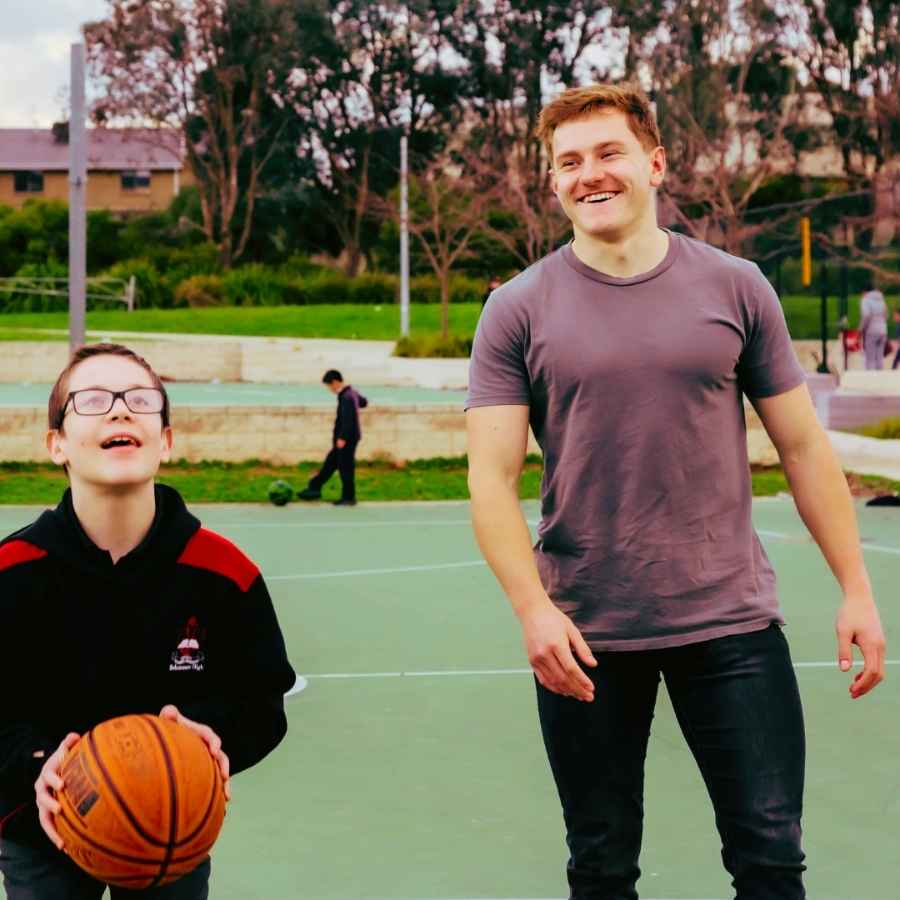
Activities for Children with Autism: Fun, Engaging, and Development-Focused
Every child deserves opportunities to learn, play, and grow—but for children with autism, finding the right activities can feel overwhelming. Parents and carers often worry about overstimulation, challenging behaviours, and whether their child will gain any real benefit from playtime. At the same time, they want to provide experiences that support skill development, independence, and […]
Every child deserves opportunities to learn, play, and grow—but for children with autism, finding the right activities can feel overwhelming. Parents and carers often worry about overstimulation, challenging behaviours, and whether their child will gain any real benefit from playtime. At the same time, they want to provide experiences that support skill development, independence, and social confidence.
Engaging children with autism in activities requires thoughtfulness, patience, and a focus on their individual needs. Structured activities can make all the difference, helping children thrive in a safe, stimulating, and enjoyable environment while giving parents some peace of mind. In Canberra and surrounding suburbs, families are increasingly seeking practical ways to create meaningful play and learning experiences at home or through local support services.
In this guide, we’ll explore a variety of activities for children with autism, from sensory-friendly exercises to social skill-building and cognitive challenges. We’ll highlight strategies for success and provide tips for parents to make every activity both fun and developmental.
Understanding Autism and Activity Needs
Autism Spectrum Disorder (ASD) affects each child differently, and this diversity often makes activity planning challenging. Children with autism may experience sensory sensitivities, communication barriers, or difficulty adapting to new routines. Even seemingly simple playtime can become a source of stress for both child and carer if it isn’t carefully structured.
Generic activities that work for neurotypical children may not always be suitable. Children with autism often benefit from predictable routines, visual cues, and activities that cater to their interests and strengths. Understanding these unique needs is the first step in creating activities that are engaging, safe, and developmental.
The goal is to design experiences that are enjoyable while also building essential skills like communication, social interaction, fine and gross motor abilities, and problem-solving. Thoughtful activity planning helps children feel valued, confident, and motivated to participate.
Sensory-Friendly Activities
Sensory processing challenges are common in children with autism. Loud noises, bright lights, or unexpected textures can cause anxiety or overwhelm. Sensory-friendly activities provide controlled, calming stimulation while supporting emotional regulation and focus.
Examples of sensory-friendly activities:
- Sensory bins: Fill containers with rice, sand, water beads, or beans. Children can explore textures, scoop, pour, and sort in a safe, hands-on way.
- Weighted blankets or calm-down spaces: Offering a quiet corner with soft lighting and soothing items can help children self-regulate.
- Music and movement exercises: Dancing, clapping, or rhythm-based activities support auditory and proprioceptive development while making play fun.
- Water play or tactile painting: These activities combine creativity with sensory engagement, encouraging exploration without overstimulation.
Benefits:
Sensory-friendly activities reduce stress, improve focus, and enhance emotional regulation. They allow children to engage at their own pace, giving parents confidence that playtime is both safe and meaningful.
Social and Communication Activities
Social interaction can be one of the most challenging areas for children with autism. Structured activities help develop communication skills, turn-taking, and peer engagement in a controlled and supportive environment.
Examples of social and communication activities:
- Role-playing games: Pretend play encourages children to practice social scripts and interactions in a safe context.
- Picture Exchange Communication System (PECS) practice: Supports children in communicating needs and choices visually, enhancing independence.
- Structured playdates or group activities: Short, supervised sessions with peers encourage socialisation without overwhelming the child.
- Storytelling or puppet play: Promotes language development, sequencing, and expressive skills.
Benefits:
These activities foster confidence, reduce isolation, and strengthen social and communication abilities. Parents can rest easier knowing their child is engaging with others in a way that’s structured and supportive.
Motor Skill and Physical Activities
Physical activity is crucial for overall development but can be tricky for children with autism who may have coordination challenges or sensory aversions. Motor skill activities build strength, coordination, and confidence while promoting healthy routines.
Examples of motor skill activities:
- Obstacle courses: Use cushions, cones, or tunnels to encourage gross motor skills and coordination.
- Ball games: Catching, rolling, or kicking helps hand-eye coordination and motor planning.
- Drawing, cutting, or Lego tasks: Supports fine motor development while keeping children engaged and focused.
- Balance and coordination exercises: Walking on lines, stepping stones, or yoga poses improve stability and body awareness.
Benefits:
Motor skill activities boost confidence, help children master everyday tasks, and offer a positive outlet for energy. They are especially useful for parents seeking structured ways to promote physical development.
Creative and Cognitive Activities
Creativity and cognitive engagement are key to learning, problem-solving, and self-expression. For children with autism, activities that combine fun with cognitive challenges are particularly beneficial.
Examples of creative and cognitive activities:
- Arts and crafts: Painting, collage-making, or clay modelling encourages fine motor skills and self-expression.
- Puzzles and sorting games: Develop memory, sequencing, and problem-solving skills.
- Story sequencing: Using picture cards or prompts to create stories improves comprehension and logical thinking.
- Simple science experiments: Hands-on activities spark curiosity while reinforcing cause-and-effect understanding.
Benefits:
These activities promote focus, creativity, and independent thinking. They allow children to express themselves and develop skills that transfer to daily life and learning contexts.
Tips for Implementing Activities Successfully
Parents and carers can enhance activity success by keeping a few key strategies in mind:
- Tailor activities to your child’s interests: Engagement increases when the child enjoys the task.
- Keep sessions short and structured: Frequent breaks prevent overwhelm.
- Use visual cues and predictable routines: Helps children understand expectations.
- Provide positive reinforcement: Praise effort and participation to boost motivation.
- Gradually introduce new experiences: Reduce anxiety by slowly exposing children to novel activities.
By following these tips, parents can create a positive and developmental environment that supports growth and enjoyment.
Conclusion
Engaging children with autism in activities is about more than play—it’s about skill development, independence, and confidence-building. Sensory-friendly, social, motor, and creative activities each offer unique benefits while helping children feel safe, valued, and motivated.
Parents in Canberra and surrounding suburbs can combine these strategies at home or with the support of local registered providers to ensure their children enjoy meaningful, developmental play. With thoughtful planning, patience, and consistency, families can overcome common challenges and see real progress in social, motor, and cognitive skills.